Bracell is committed to sustainable development across all its operations, processes, and activities, seeking to adopt the highest socio-environmental and ethical standards. Reaffirming this commitment, the company invests in programs focused on research and the protection of water resources, soil, native forests, and wildlife. In addition, Bracell establishes partnerships with institutions and governments through environmental programs to expand the reach and impact of its actions.
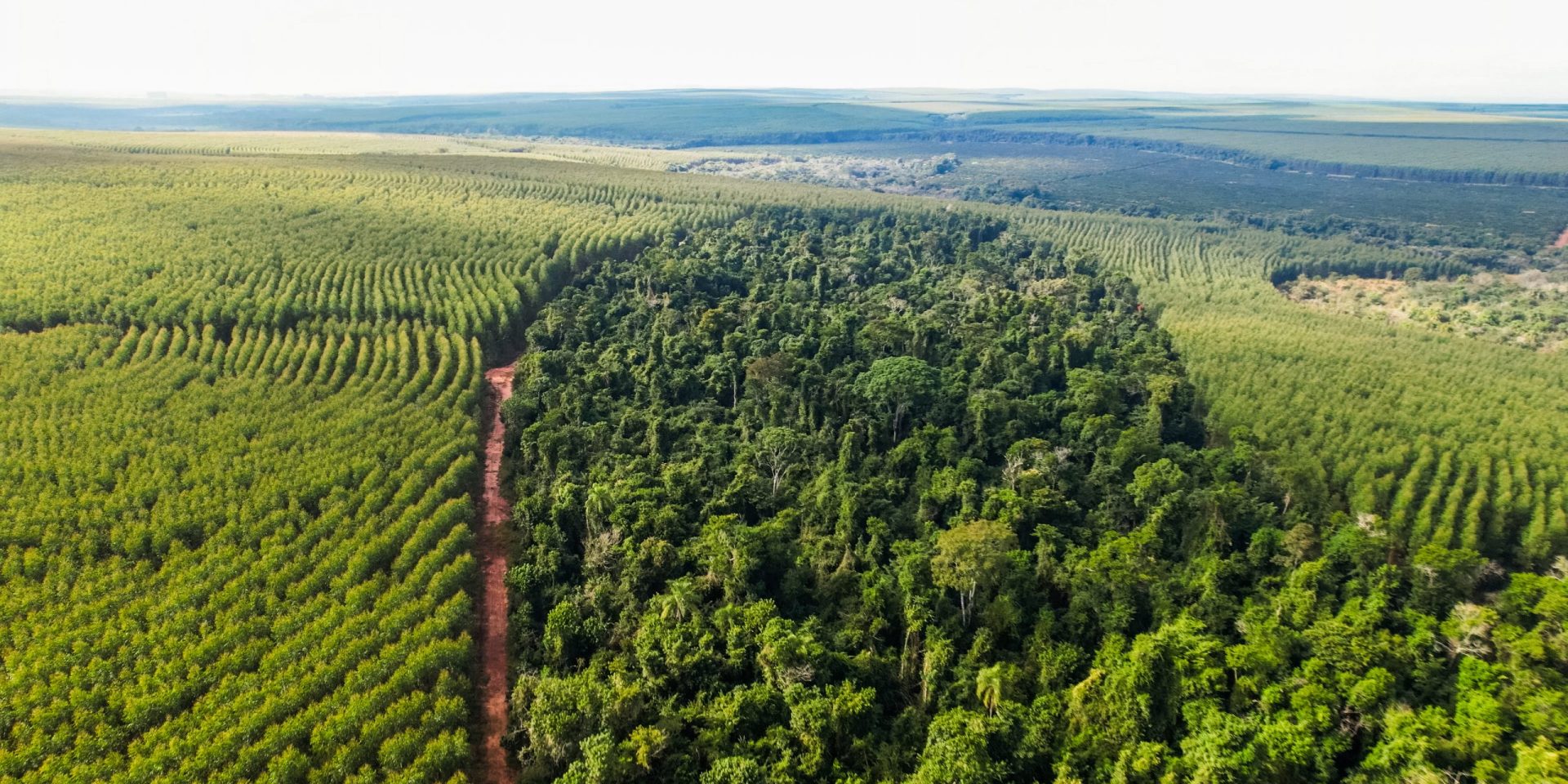
With this purpose, in 2022 Bracell launched the One-to-One Commitment, an unprecedented initiative in the pulp sector through which the company established an important sustainability goal: for every hectare of eucalyptus planted, Bracell commits to protecting, conserving, or restoring one hectare of native forest. The areas benefited include the Atlantic Forest, Cerrado, and Caatinga biomes, located in the states of São Paulo, Mato Grosso do Sul, and Bahia. This goal is to be achieved by 2025. As part of this commitment, Bracell recently entered into an agreement with the Government of the State of São Paulo, through the Secretariat for the Environment, Infrastructure and Logistics (Semil), to protect 115,000 hectares of native forests in Public Environmental Conservation Areas over the next 10 years. In addition to being part of the One-to-One Commitment, this initiative is integrated into the Bracell 2030 strategic agenda, which brings together the company’s sustainability goals and commitments.
According to Bracell’s Vice President of Sustainability, Márcio Nappo, the protection of native vegetation and natural habitats is one of the company’s top priorities. “We have adopted this commitment to biodiversity and landscape protection on a permanent basis, and we seek to establish partnerships in other regions where Bracell operates, such as those formed with the governments of São Paulo and Mato Grosso do Sul. Sustainability throughout our entire value chain is an ongoing commitment for Bracell,” he states.
Bracell’s initiatives go even further. The company implements the Fauna and Flora Environmental Monitoring Program, whose main objective is to identify species diversity in the company’s operational areas. The data collected are used for critical evaluation in order to improve management processes and practices, with the aim of minimizing operational impacts and contributing to the conservation of biological diversity. By 2023, Bracell had recorded 1,165 fauna and flora species in its forest areas in Bahia and 832 species in São Paulo. In addition, the information generated by the program serves as a guiding basis for actions to achieve the Bracell 2030 goals, including the protection of endemic and threatened species in priority conservation areas and support for the reintroduction of animals into the wild.
In addition to these actions, the company has also made progress with the Integrated Landscape Management Project, expanding conservation and landscape restoration efforts by seeking partners and joining forces with Conservation International Brazil (CI-Brasil). The project stands out for compiling and making available a set of indicators designed to influence landscape management, enabling analyses at municipal, watershed, and sub-watershed levels, as well as in environmental protection areas. It focuses on three main pillars: conservation, restoration, and land use and occupation.
The results of this project go beyond the creation of a broad database. It is a shared platform designed to directly support territorial management. Its main purpose is to establish clear guidelines for optimizing available resources, enabling significant improvements in the environmental conditions of landscapes. Through this initiative, the partnership between Bracell and Conservation International plays a crucial role in supporting the restoration of protected areas, delivering immediate benefits for biodiversity and water resources in the company’s areas of operation in Bahia and São Paulo.
In Bahia, Bracell stands out for maintaining four Private Natural Heritage Reserves (RPPNs) officially recognized by public authorities. The largest of these is the Lontra RPPN, located between the municipalities of Entre Rios and Itanagra, covering 1,377 hectares. The area is recognized by UNESCO as an Advanced Post of the Atlantic Forest Biosphere Reserve. In addition, the company operates four certified Wildlife Release Areas (ASAs), the most recent being at Fazenda Raiz, in the municipality of Água Fria. The others include Projeto Cachoeira, in Entre Rios; Projeto Sergipe, in Jandaíra; and the Lontra RPPN.